Now on YouTube: Emergency basic income: Distraction or Opportunity (Politics of Basic Income Talk Series)

On May 16th, Jurgen De Wispelaere and Francesca Bastagli explored the implications of Emergency Basic Income (EBI) for social protection systems and its relationship to Universal Basic Income (UBI) as part of the “Politics of Basic Income” talk series. They examined whether EBI can be integrated into existing programs, overcome barriers, and fuel changes towards more generous policies, while also discussing the divided opinions on whether EBI is an opportunity or a distraction for the future development of UBI.

Against the backdrop of the COVID-19 crisis, the idea of providing the vast majority of citizens with immediate unconditional cash support for a time-limited period gained considerable traction with decision makers as well as the general public. Several countries proceeded to implement cash transfers that mimic EBI in key respects.

The EBI model opens up a series of interesting questions for policy analysts and social protection scholars alike. The speakers focused on how EBI interfaces with existing social protection systems and whether it might be able to build on existing programmes or fuel a change towards designing and instituting less targeted and more generous social protection policies in the near future.

An equally important set of questions arises in relation to how EBI fits with UBI, considering the clear contrasts both in design (temporary versus permanent) and context (short-term emergency versus long-term steady state). The basic income community itself is divided on whether to regard EBI as an opportunity to further boost the public awareness and policy support for basic income or as a distraction that will only sidetrack productive social protection development.

The event built on a plenary session of the 21st BIEN Congress, held on 26–28 September 2022 in Brisbane, Australia, in which policy experts, representatives of INGOs and basic income scholars debated the merits and impact of the EBI proposal during the COVID-19 pandemic.

The “Politics of Basic Income” talk series, hosted by the Bath UBI Beacon and Freiburg Institute of Basic Income Studies (FRIBIS), in partnership with the Basic Income Earth Network (BIEN), has been running monthly every 3rd Thursday since October 2023. Experts from around the world continue to share insights on UBI policy, movement building, and research. Stay tuned for upcoming events in the series. 
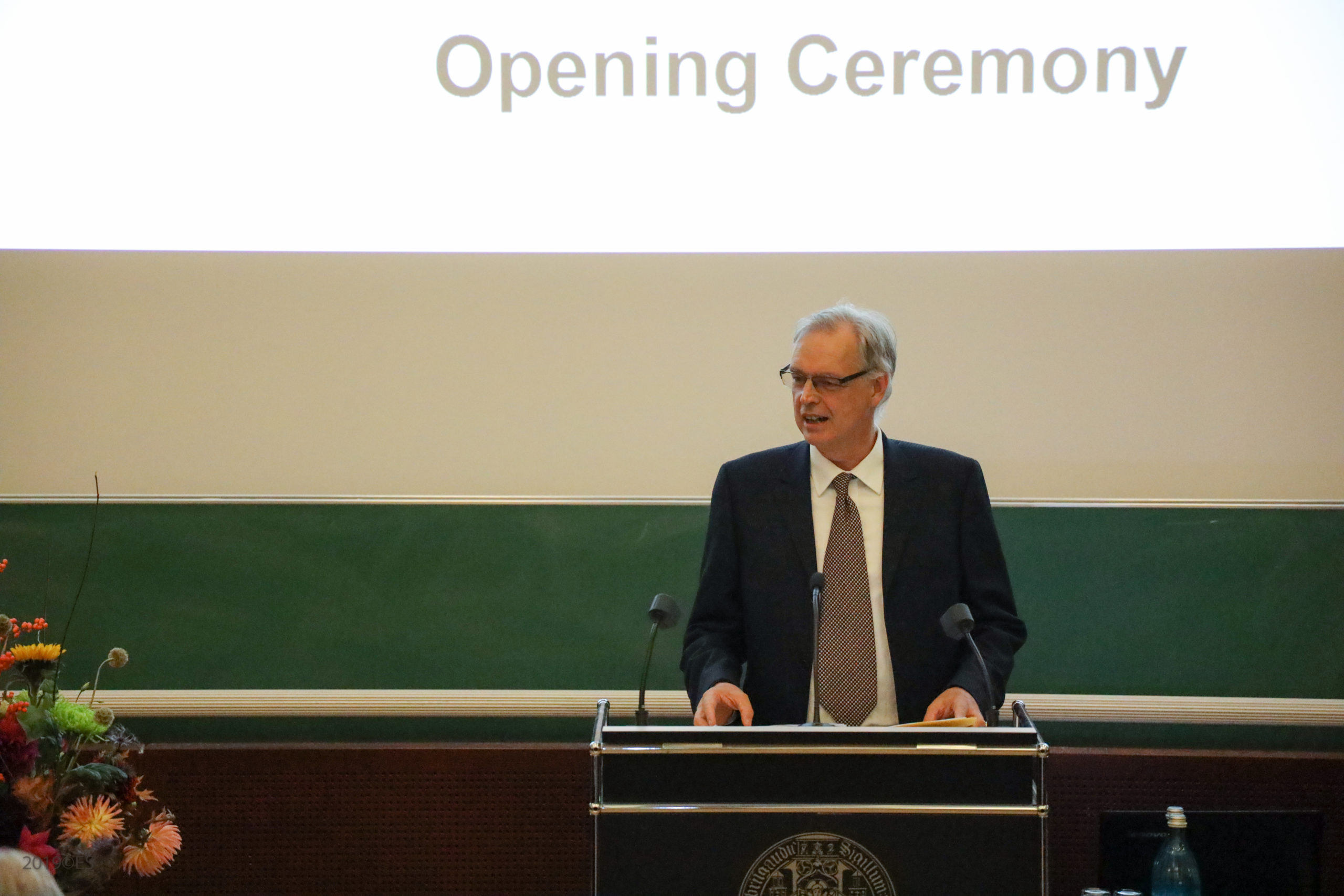
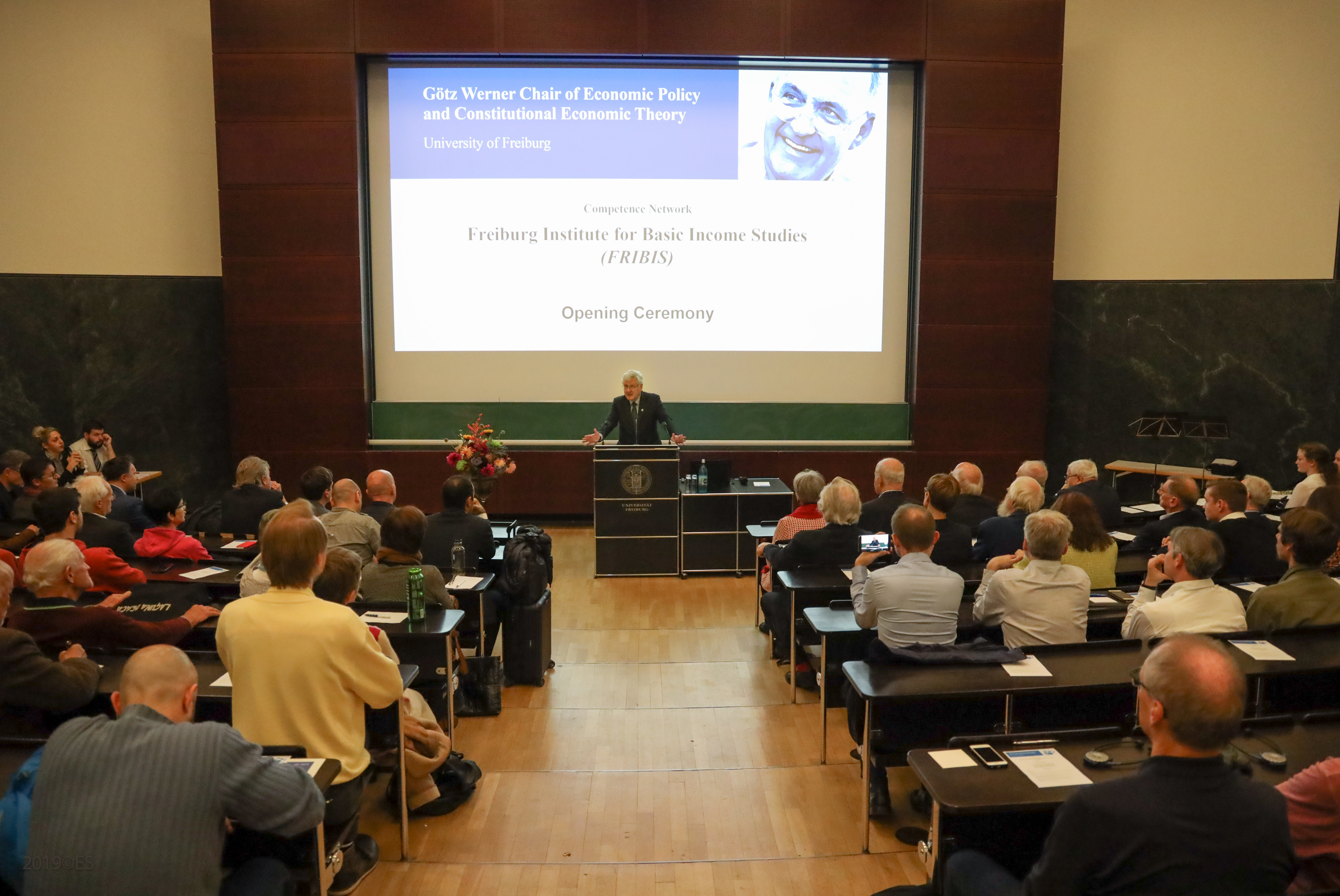
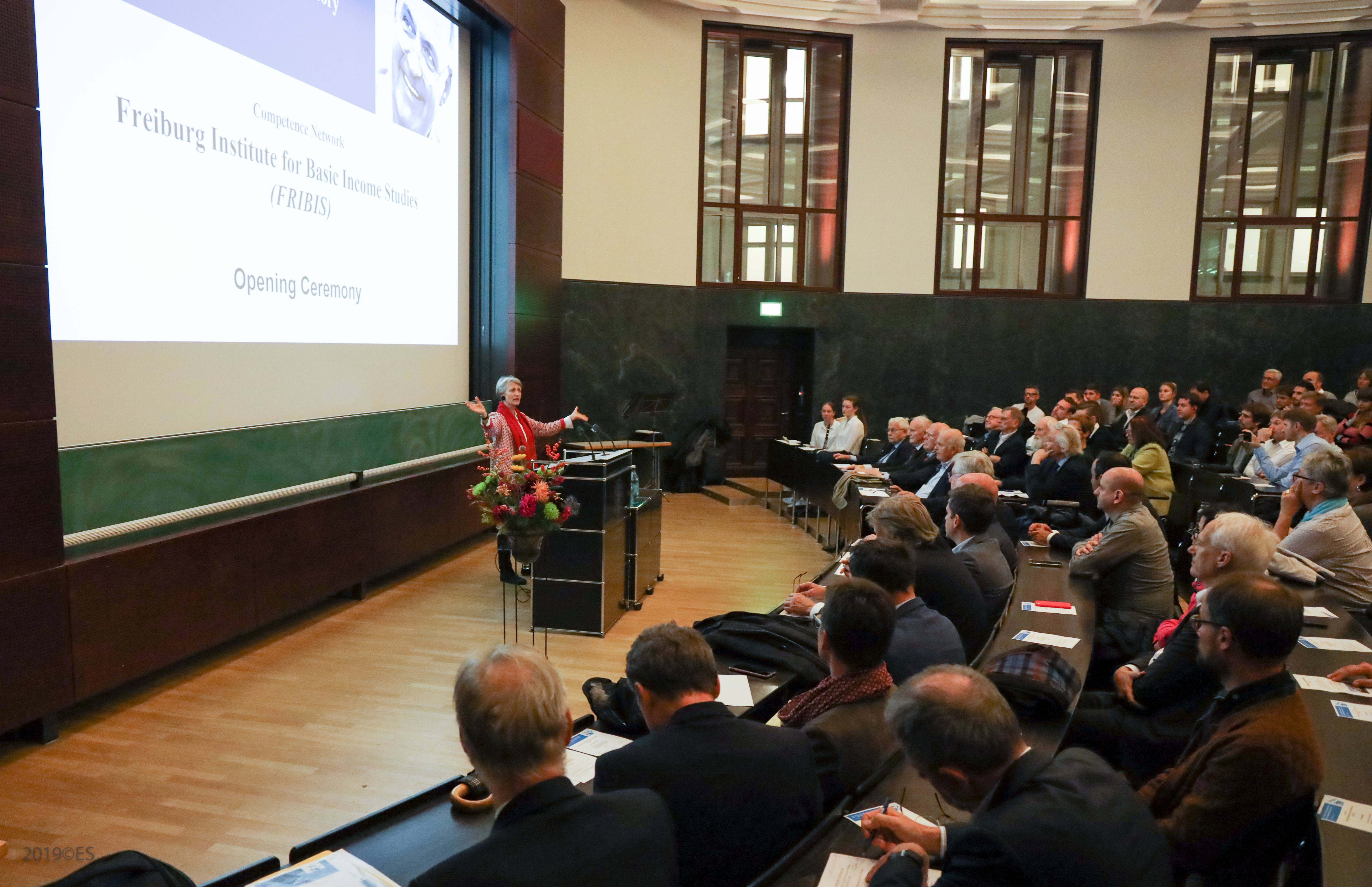
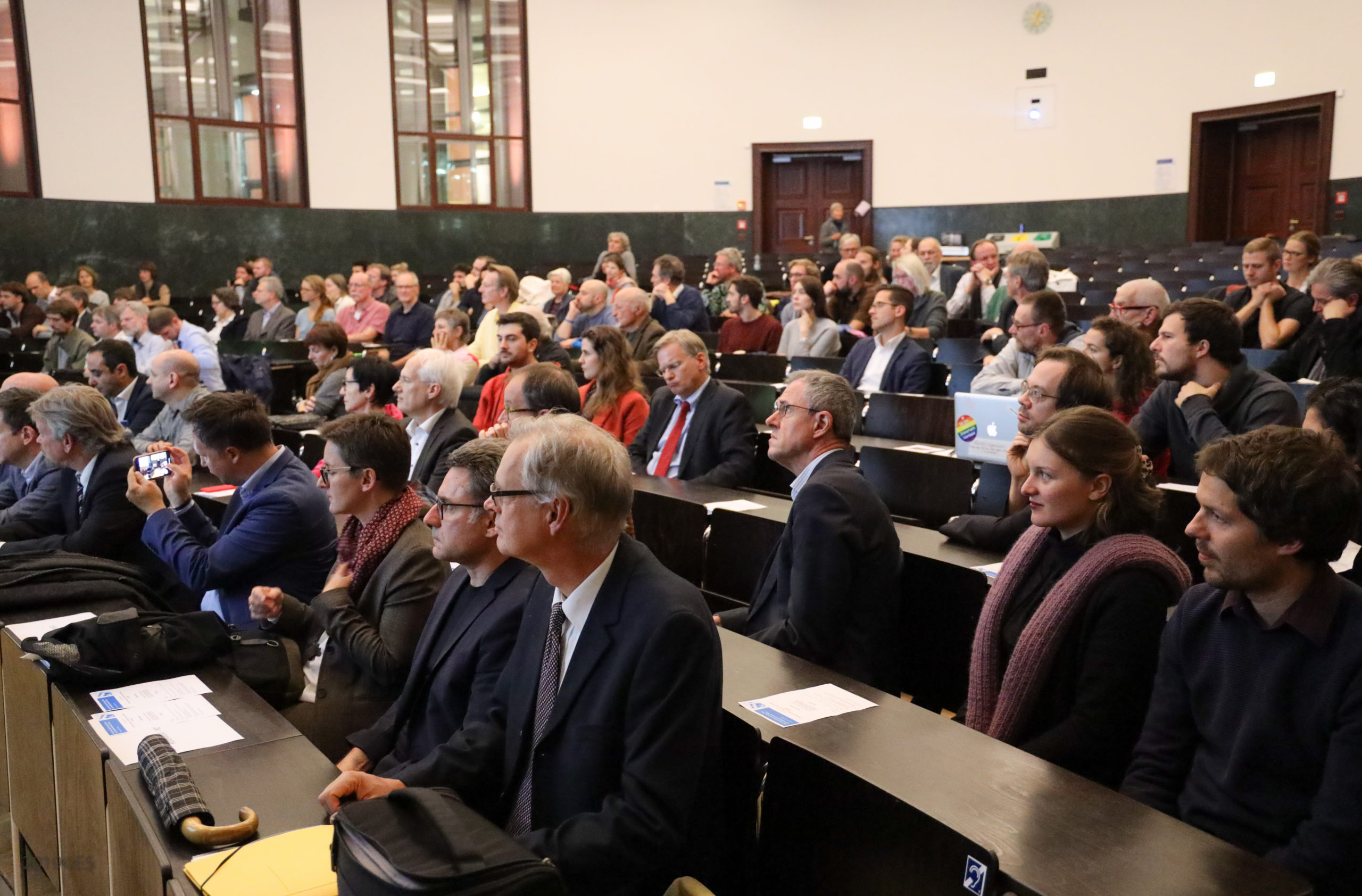
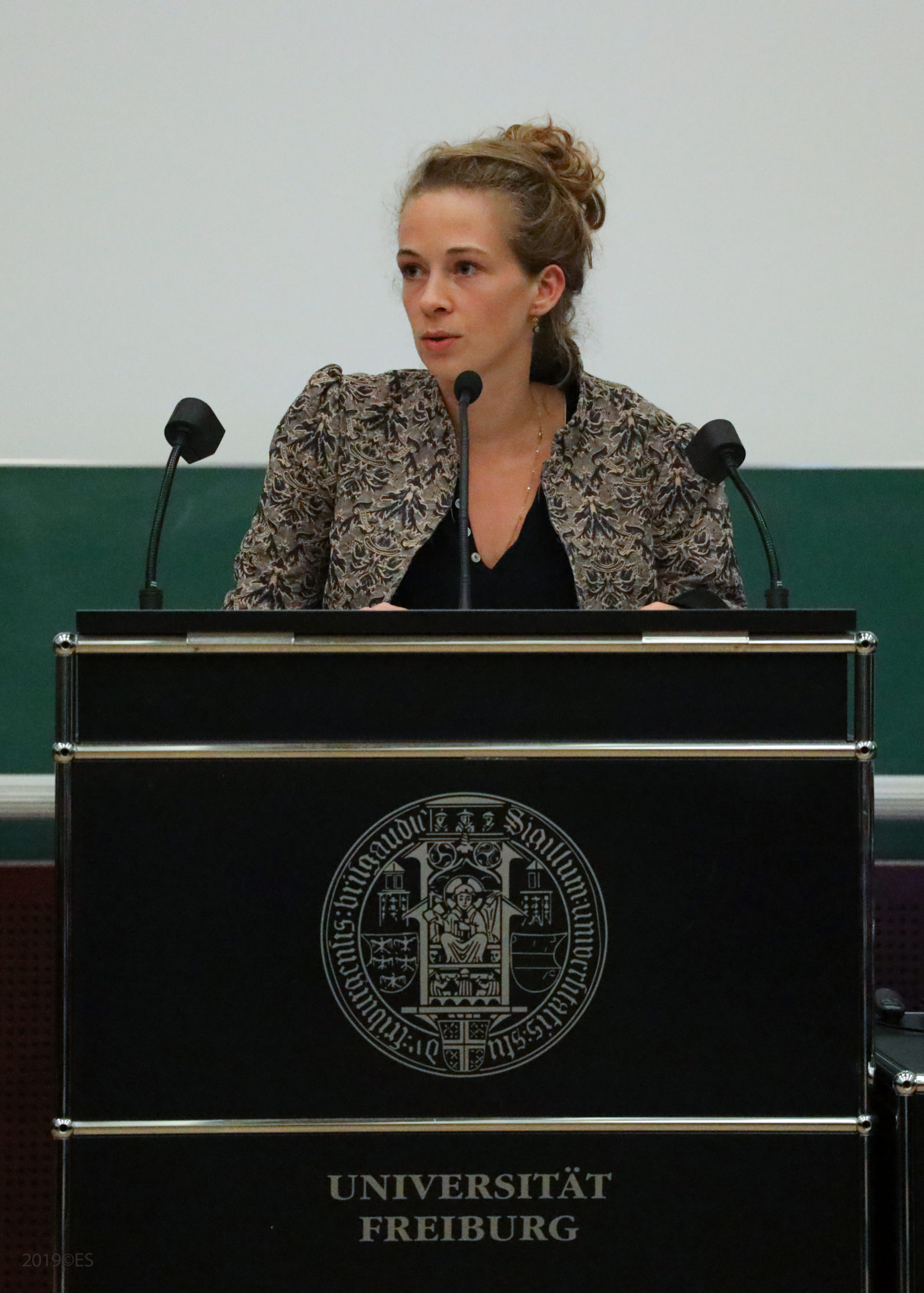
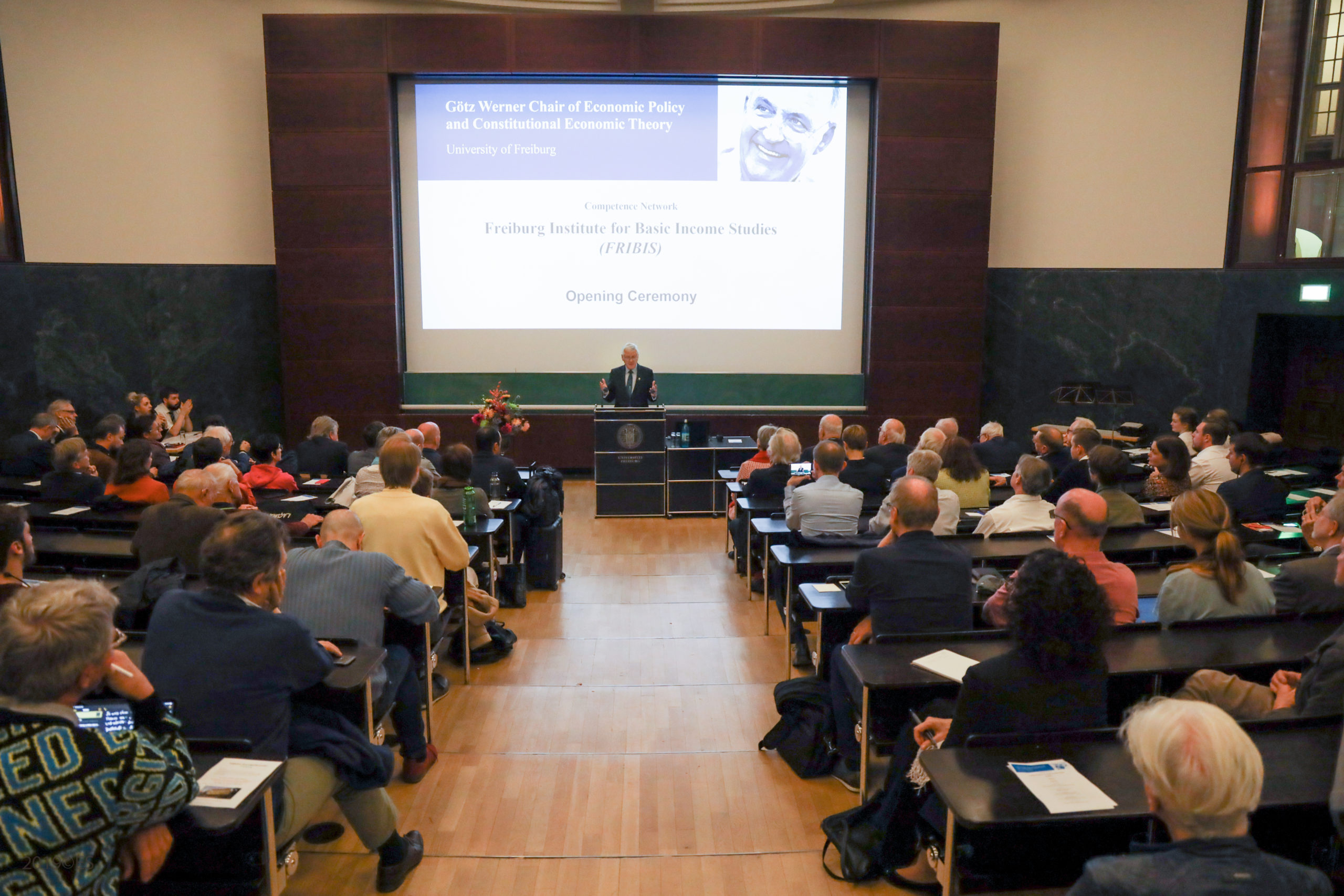
Report from the Opening Ceremony

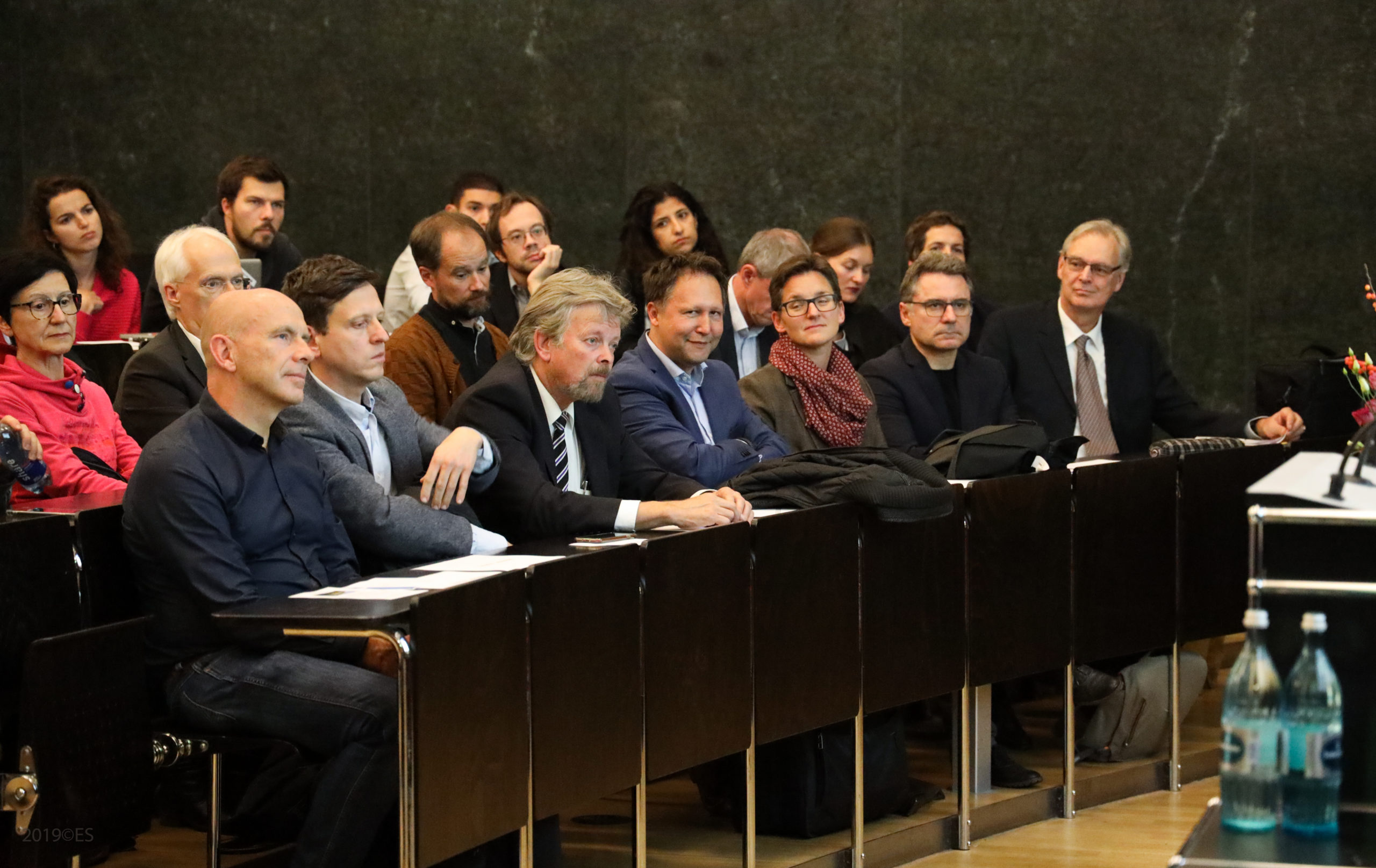
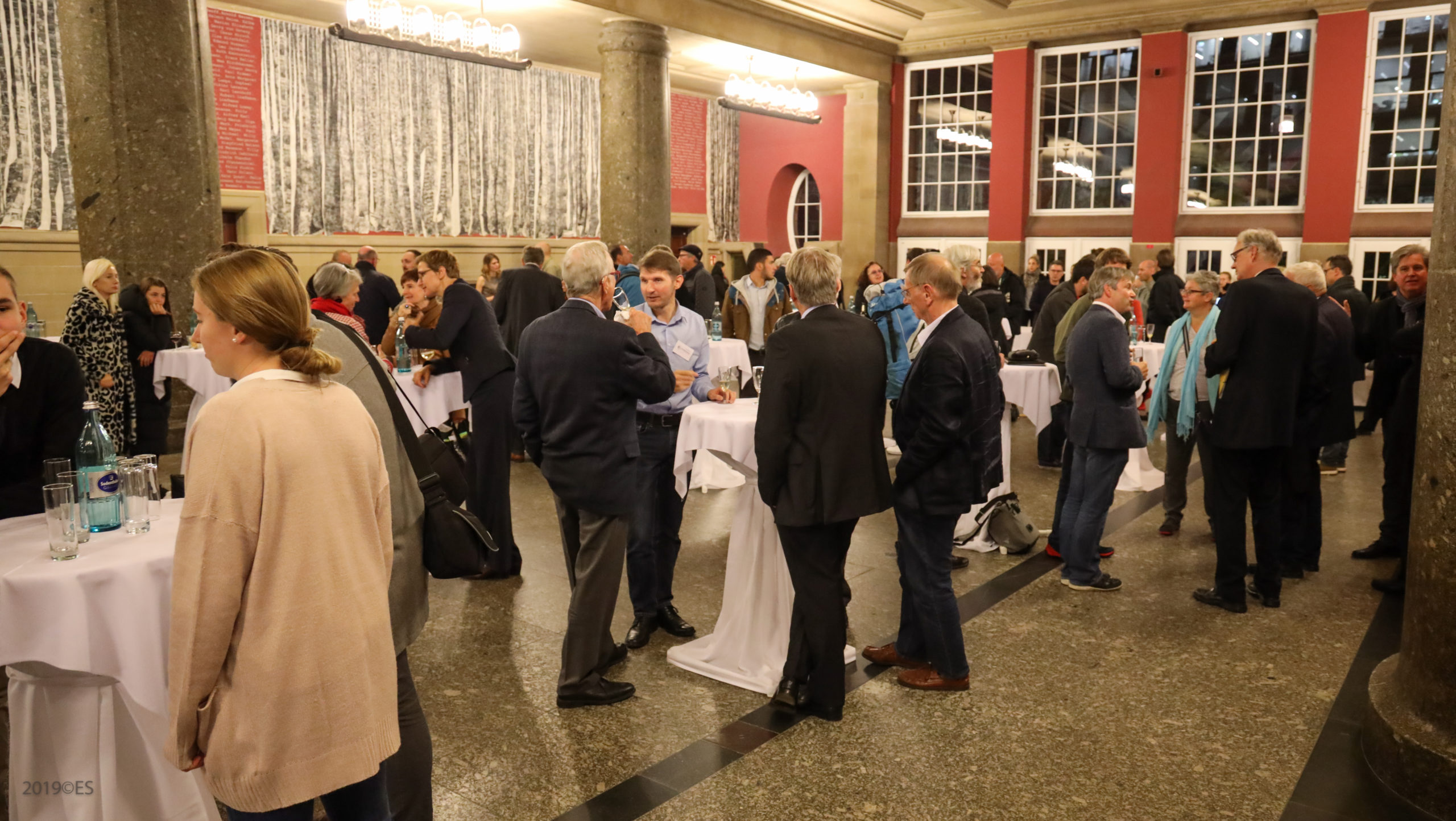
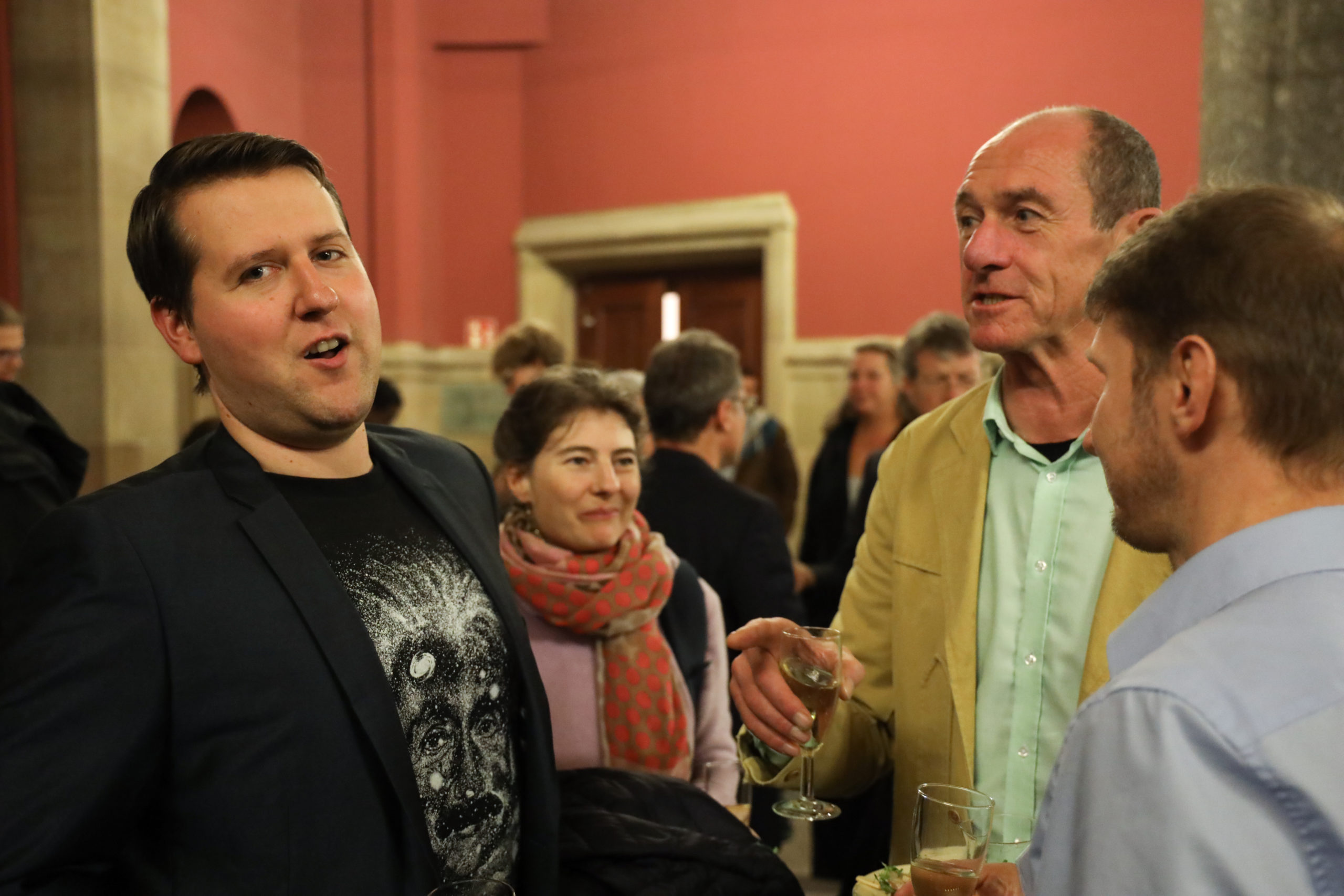
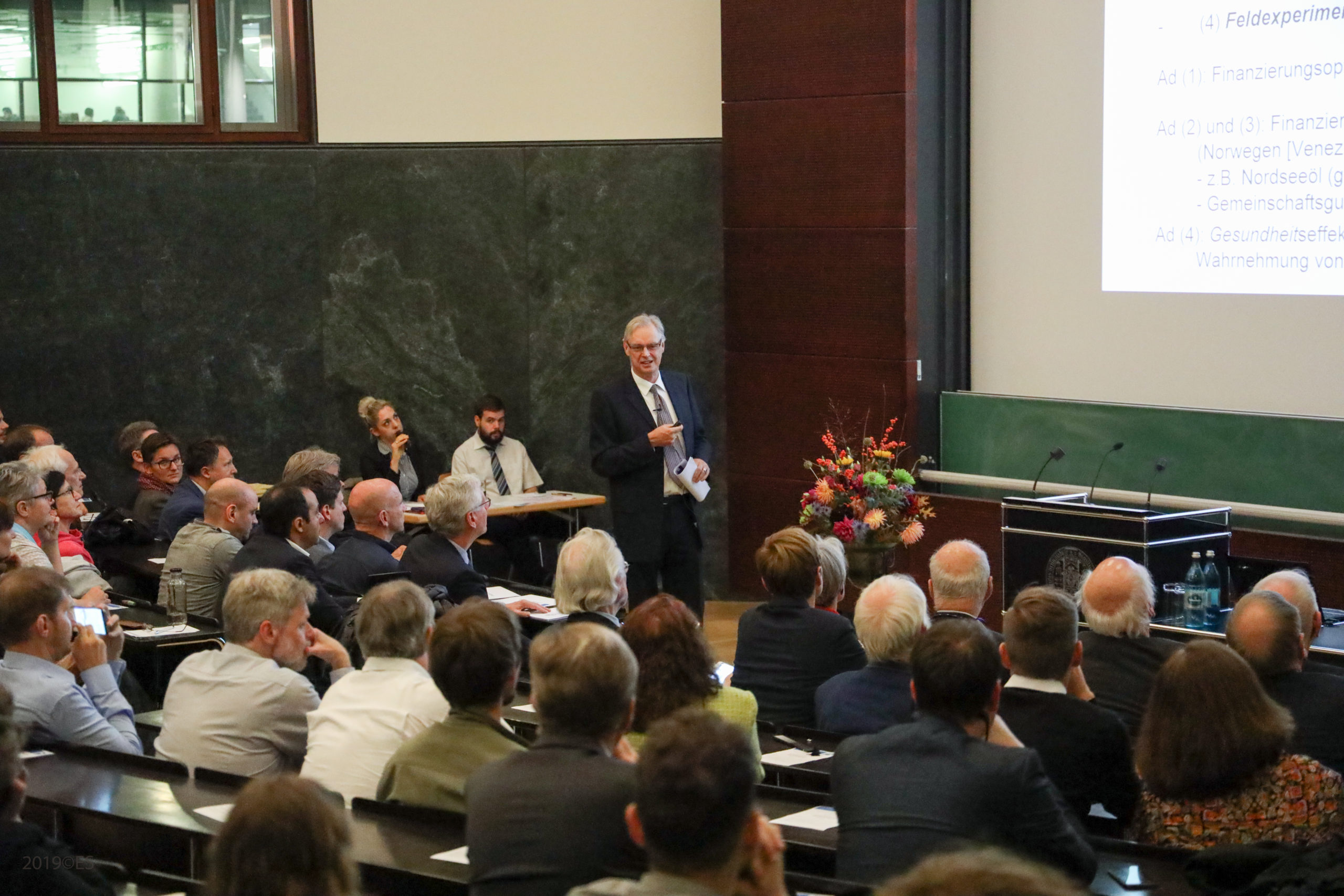
Freiburg Institute for Basic Income Studies (FRIBIS) has been established at the University of Freiburg, Germany. The opening ceremony took place on Oct. 28th.

FRIBIS is intended to become an international center for UBI investigation and cooperation.

Scientists from various faculties and basic income protagonists from civil society, NGOs, activists, work together in interdisciplinary topical groups to examine the unconditional basic income in all its facets, to scientifically accompany UBI projects and to contribute research results for implementation strategies. Knowledge transfer from science meets the challenges of civil society and strengthens its opportunities.

Founding directors of the Competence Network FRIBIS at the University of Freiburg are professors each from the Institute of Computer Science, the Institute of Psychology, the Institute of Ethnology, the Institute of Educational Science, the Faculty of Theology and Prof. Dr. B. Neumärker of the Götz Werner Chair of Economic Policy and Constitutional Economic Theory.

In May of this year, the Götz Werner Professorship was established with backing of the rector of the University of Freiburg. The donors of the Götz Werner Chair are Beatrice and Götz W. Werner. Götz Werner is the founder of the dm drugstore-market group with 60 thousand employees today. In the last decades he already has been one of the most important voices for UBI in Germany. The Götz Werner Chair was established for the head of the department of Economic Policy and Constitutional Economic Theory, Prof. Dr. Bernhard Neumärker. At the Götz Werner Chair, Enno Schmidt is in charge of public effectiveness, transfer and networking. FRIBIS is the next level based on the Götz Werner Chair.

Interdisciplinary teams already exist on following topics: “VAT-financed basic income”, among others with H. Pape, founder of “Generation Basic Income Austria” and Prof. Dr. Dr. F. Schneider from Linz / “Psychology of the Basic Income”, a cross-faculty research program / “The management of UBI NGO’s” / “Foreign Aid Basic Income”, UBI as strengthening the resilience of societies in particular in Africa against the sellout of the country and resources / “Sanction-free / HartzPlus”, an ongoing pilot-project in Berlin, the first realization of a guaranteed basic income in Germany, among others with project manager Helena Steinhaus and Prof. Dr. R. Wieland from the University of Wuppertal. Further national and international teams and cooperations are in preparation. FRIBIS will also organize conferences and create a young generation research team.

Contact: enno.schmidt@vwl.uni-freiburg.de
Website: https://www.fribis.uni-freiburg.de